What happens if there's an earthquake or a typhoon?
Short answer
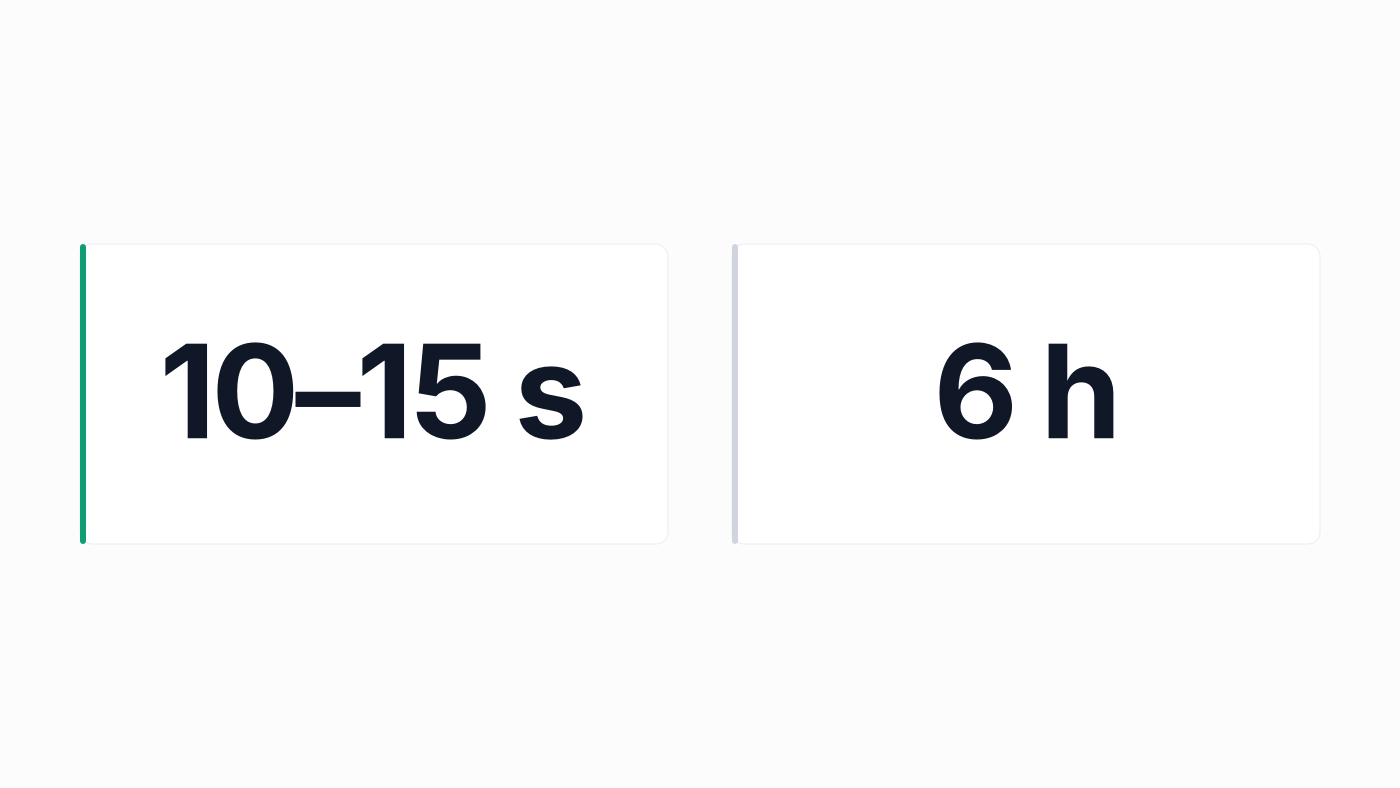
You get warned, in English, by the state. The weather agency's app pushes an earthquake alert 10–15 seconds ahead of shaking and issues typhoon warnings every six hours.
The warning arrives before the shaking
Taiwan's Central Weather Administration runs an English earthquake app whose early warning reaches users about 10 to 15 seconds after a quake begins — which, because the alert travels faster than the shaking, means seconds of notice before you feel it.
The alert threshold is an estimated local intensity above 3, and the agency is candid that speed costs precision: warnings use partial data, so what you feel and what the phone says can differ. A fuller felt-report follows five to ten minutes later.
Tsunami and typhoon, the slower hazards
For quakes capable of generating one, tsunami information — estimated coastal wave height and updates — arrives about twenty minutes after the event, alongside regional bulletins from the Pacific Tsunami Warning Center.
Typhoons work on a different clock entirely. Whenever a typhoon or tropical depression forms in the Western North Pacific or South China Sea, the agency publishes analysis and forecasts and refreshes them every six hours, so a storm is days of warning rather than seconds.
What this means practically
Install the app on arrival if your trip is long or your season is typhoon season. It costs nothing and turns both hazards from rumour into schedule.
For the shaking itself, the standard advice holds and is worth having ready before you need it: drop, cover, hold on, stay away from windows, and do not run outside mid-quake. In a hotel, the safest few seconds are usually spent under something solid rather than in a corridor.
Good to know
- The CWA app has an English interface — install it on arrival
- Alerts fire above estimated intensity 3; speed costs precision
- Typhoon forecasts refresh every six hours — days of notice, not seconds